
Hear from Our Customers
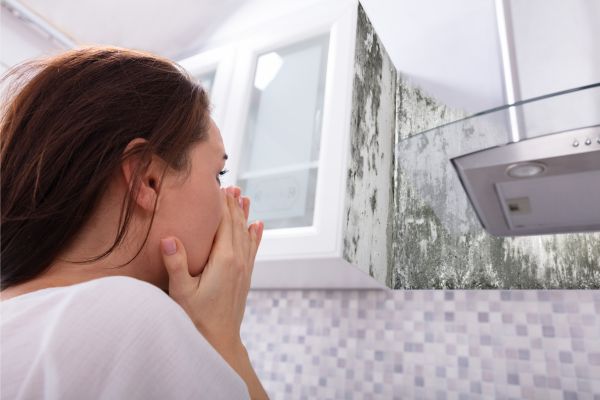
You can’t fix what you can’t see. That musty smell in your basement, the discoloration near your bathroom ceiling, or the allergies that won’t quit—these aren’t things you should guess about.
Professional mold testing tells you exactly what you’re dealing with. We use thermal imaging to find moisture you can’t see, collect air samples that get analyzed in a certified lab, and identify the specific mold species growing in your home. You get a detailed report that shows concentration levels, compares your indoor air to outdoor baselines, and documents everything your insurance company needs if you file a claim.
This isn’t about scaring you into unnecessary work. It’s about knowing whether you have a problem, how serious it is, and what actually needs to happen next. In Woodhill, PA, where homes deal with Pennsylvania’s humidity and temperature swings, that information matters. Properties here are investments—94% owner-occupied—and mold issues can drop your home’s value by 20-37% if left unchecked.
We serve Woodhill, PA and Bucks County with one clear focus: accurate testing from a team that knows this area’s moisture patterns, building types, and seasonal challenges.
We’re not here to upsell you on remediation you don’t need. Our testing is independent, which means you get honest results without the pressure to buy additional services. We know where mold hides in Woodhill, PA homes—basements with foundation moisture, attics with ventilation issues, crawl spaces that trap humidity.
Our equipment includes moisture meters, infrared cameras, and HEPA-filtered air sampling tools. Every sample goes to a third-party lab that specializes in mold analysis. You get results in 3-5 business days, and we walk you through what they mean in plain language.
First, we do a visual inspection of your property. We’re looking for visible mold, water stains, condensation patterns, and any signs of moisture intrusion. This includes checking basements, attics, bathrooms, kitchens, and any areas you’ve noticed issues.
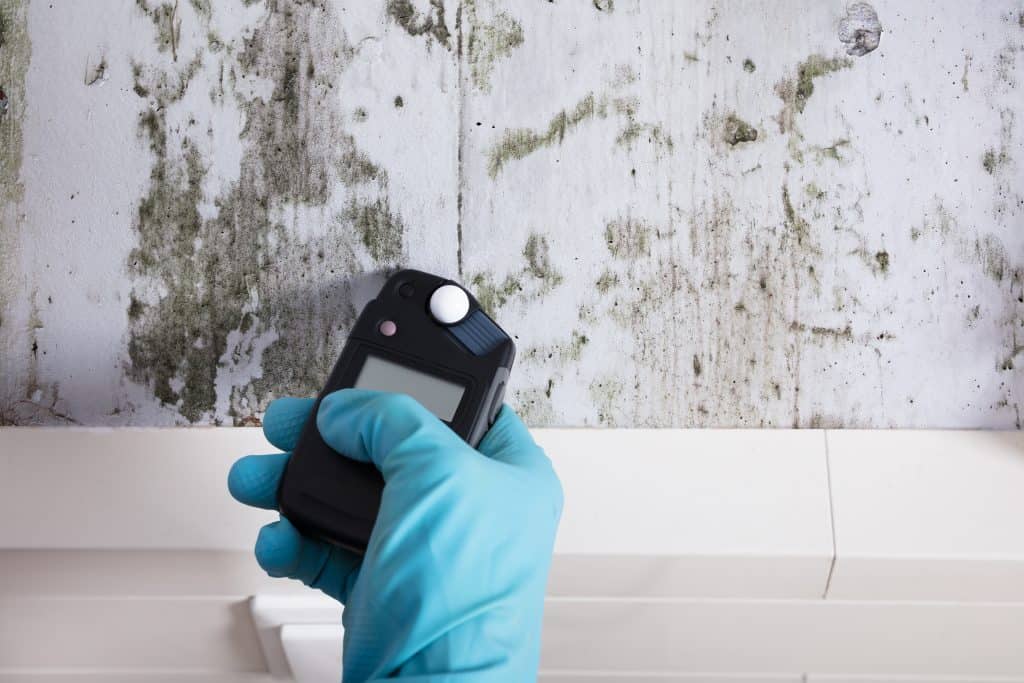
Next, we use thermal imaging to detect temperature differences in your walls, ceilings, and floors. Cooler spots often mean trapped moisture—exactly where mold grows hidden from view. We also use moisture meters to measure humidity levels in materials like drywall, wood, and insulation.
Then we collect air samples from multiple rooms, including outdoor air for comparison. These samples capture mold spores floating in your environment—the ones you’re actually breathing. We also take surface samples if we find visible growth that needs species identification.
All samples go to a certified lab. They identify the mold species, measure spore concentration, and determine whether your indoor levels exceed safe outdoor baselines. You receive a detailed report with lab results, photos from the inspection, moisture readings, and our professional assessment of what the findings mean for your property.
Ready to get started?
Your mold testing includes a comprehensive visual examination of your entire property, with special attention to the areas where Bucks County homes typically develop problems. That means basements where groundwater seeps through aging foundations, attics where ventilation can’t keep up with Pennsylvania humidity, and spaces around windows where condensation builds up during temperature swings.
We bring calibrated moisture detection equipment and infrared cameras that reveal what’s happening inside your walls. You’re not paying for guesswork—you’re getting data. Air samples from multiple rooms capture what’s actually floating in your indoor environment, and surface samples identify exactly which mold species are growing where you’ve seen discoloration or damage.
The lab analysis breaks down spore counts by species. You’ll know if you’re dealing with common molds like Cladosporium and Penicillium, or more concerning species like Stachybotrys (black mold) and Aspergillus. The report compares your indoor air quality to outdoor levels, which tells you whether your home has an actual contamination problem or just normal environmental exposure.
You also get documentation that satisfies insurance requirements. If you need to file a claim, you’ll have professional testing results that show when the problem was discovered, what caused it, and the extent of contamination—exactly what insurance companies ask for before approving mold-related claims.
Professional mold testing in Woodhill, PA typically starts around $300-350 for a standard residential inspection. That includes the visual examination, moisture detection, air sampling from multiple rooms, and lab analysis of those samples.
The cost can increase depending on your property size and how many samples you need. Larger homes require more air samples to get accurate readings from different zones. If you need surface samples from multiple areas of visible growth, that adds to the lab fees.
Compare that to the cost of guessing wrong. Unnecessary remediation can run thousands of dollars. Missing a serious problem can cost you tens of thousands in structural damage, plus the 20-37% drop in property value that comes with documented mold issues. Testing gives you certainty before you spend money on fixes you may or may not need.
DIY kits can tell you if mold spores are present—but that’s not particularly useful information. Mold spores exist in every home. What matters is the concentration, the species, and whether your indoor levels are higher than outdoor baselines.
DIY kits can’t find hidden mold behind walls, under flooring, or in your HVAC system. They can’t measure moisture levels in your building materials. They can’t use thermal imaging to locate problem areas before they become visible. And they won’t give you documentation that insurance companies or real estate transactions require.
Professional testing uses calibrated equipment and certified lab analysis. We’re not just confirming that mold exists—we’re identifying which species you’re dealing with, measuring how much is in your air, and locating the moisture source that’s feeding the growth. That’s the information you actually need to make decisions about your property.
Lab results typically come back within 3-5 business days after we collect samples. The lab needs time to culture the samples, identify species under microscopy, and count spore concentrations accurately.
You’ll receive a detailed report that includes lab findings, photos from our inspection, moisture readings we documented, and our professional interpretation of what the results mean for your home. We walk you through the report so you understand which areas tested high, which mold species were identified, and what steps make sense based on the findings.
If you’re in a time-sensitive situation—like a real estate transaction or an insurance claim deadline—let us know upfront. Some labs offer expedited analysis for an additional fee, which can get you results in 24-48 hours.
A mold inspection is the visual examination and moisture detection work we do on-site. We’re looking for visible mold, water damage, condensation patterns, and using tools like thermal cameras and moisture meters to find hidden problems.
Mold testing adds lab analysis to that inspection. We collect air samples and surface samples that go to a certified laboratory. The lab identifies specific mold species, measures spore concentrations, and provides data you can’t get from visual inspection alone.
Most situations benefit from both. The inspection finds where mold is growing and where moisture is trapped. The testing tells you which species are present, how much is in your air, and whether your indoor environment is actually contaminated or just showing normal background levels. Together, they give you the complete picture of what’s happening in your home.
Testing tells you whether you have elevated mold levels, which species are present, and where the growth is concentrated. That information helps you decide if remediation is necessary and how extensive it needs to be.
If your indoor spore counts are significantly higher than outdoor levels, or if the lab identifies toxic species like Stachybotrys in high concentrations, remediation is usually warranted. If your levels are only slightly elevated and the species are common environmental molds, you might just need to fix the moisture source and improve ventilation.
Pennsylvania regulations require professional remediation when contamination exceeds certain thresholds. The lab report will show whether your situation crosses those lines. We’ll explain what the results mean, but the decision about remediation is yours. We’re here to give you accurate information, not pressure you into services you don’t need.
If you’re buying a home in Woodhill, PA, mold testing during your inspection period can save you from expensive surprises. About half of potential buyers walk away once they learn a property has mold problems—and for good reason. Remediation can cost thousands, and mold issues can drop property values by 20-37%.
Look for signs during your walkthrough: musty odors, water stains, discoloration on walls or ceilings, warping in flooring, or condensation on windows. Basements and crawl spaces in Bucks County homes are especially prone to moisture issues because of our soil conditions and humidity levels.
Professional testing before you close gives you leverage. If the lab finds elevated mold levels or toxic species, you can negotiate for the seller to handle remediation, reduce the purchase price, or walk away if the problem is too extensive. It’s a small investment compared to discovering a $10,000 mold problem after you’ve already bought the house.
Other Services we provide in Woodhill